
 By Khushi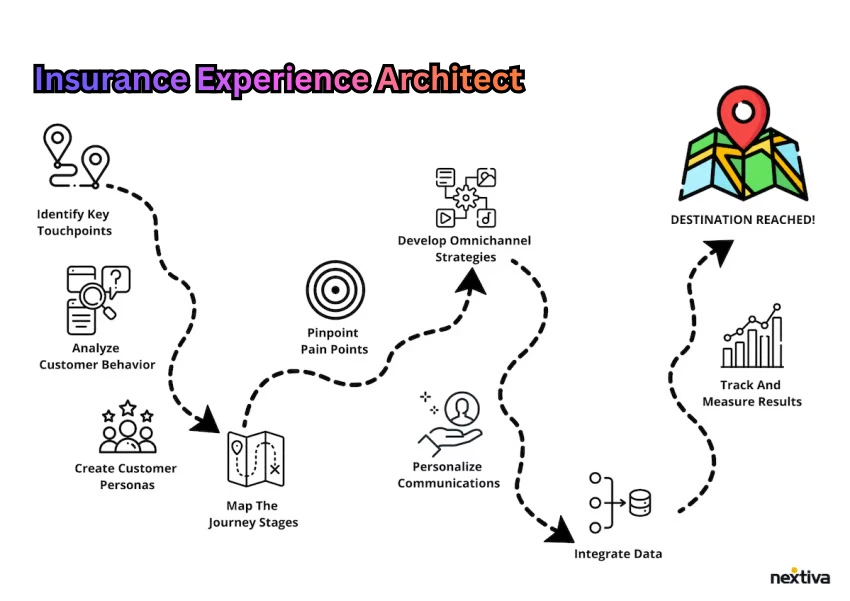
In today’s fast-paced world, customers expect simplicity, transparency, and efficiency in every service they interact with—and insurance is no exception. The insurance industry, once known for paperwork, confusion, and complex procedures, is undergoing a profound shift. At the heart of this transformation is a new and highly impactful role: the Insurance Experience Architect.
This professional is dedicated to redesigning how customers understand, buy, manage, and experience insurance. Their mission is simple yet powerful: to craft a hassle-free, seamless, and customer-friendly insurance journey from start to finish.
This article explores the role, responsibilities, importance, skills, strategies, and future potential of an Insurance Experience Architect, showing how they are shaping a modern, stress-free insurance ecosystem.
1. Who Is an Insurance Experience Architect?
An Insurance Experience Architect is a specialist who designs and enhances the complete customer experience within the insurance lifecycle. Instead of focusing only on sales, they engineer how customers interact with insurance—from the moment they search for information, to buying a policy, managing coverage, filing claims, and renewing plans.
They combine expertise in:
- Customer experience (CX) design
- Insurance products
- Technology
- Digital behavior
- Data insights
- Human-centered design
Their purpose is to remove friction, simplify complex processes, eliminate confusion, and deliver convenience. Essentially, they create customer journeys that feel smooth, intuitive, and supportive.
2. Why This Role Is Essential in Today’s Insurance Industry
Insurance has traditionally been one of the most complicated and least understood financial services. Customers often feel overwhelmed because of:
- Long paperwork
- Hard-to-understand terms
- Low transparency
- Slow claim settlements
- Hidden conditions
- Poor digital experiences
An Insurance Experience Architect solves these issues by redesigning the experience around what customers truly need. This makes insurance more human, more digital, and more reliable.
Key reasons this role is essential:
a) Rising customer expectations
People now demand fast digital services, clear communication, and easy processes. Insurance companies must adapt.
b) Competitive landscape
Insurers that offer smoother experiences stand out and win more customers.
c) Digital transformation
AI, automation, and data analytics give insurers the tools to redesign user journeys effectively.
d) Greater financial literacy
Consumers want to stay informed and make better decisions, which requires transparent and simplified user experiences.
e) Need for trust
Insurance depends heavily on trust. Creating positive experiences builds that trust and strengthens customer loyalty.
3. Core Responsibilities of an Insurance Experience Architect
This role covers a wide range of responsibilities, all focused on improving customer interactions and satisfaction throughout the insurance lifecycle.
1. Customer Journey Mapping
They design complete end-to-end insurance journeys, analyzing:
- Awareness
- Consideration
- Purchase
- Onboarding
- Policy servicing
- Claim processes
- Renewals
This helps identify pain points and opportunities for improvement.
2. Process Simplification
They remove unnecessary steps, reduce paperwork, digitize processes, and ensure each customer interaction is simple.
3. Digital Experience Enhancement
They collaborate with tech teams to improve digital touchpoints such as:
- Mobile apps
- Websites
- Chatbots
- Self-service portals
- Automated claim systems
4. Communication Design
They rewrite complex insurance language in simple, conversational words. They also design:
- Explainer videos
- Infographics
- Policy summaries
- Step-by-step guides
5. Personalization
Using data and analytics, they design personalized experiences such as:
- Tailored policy suggestions
- Custom reminders
- Smart policy recommendations
- Personalized risk assessments
6. Claim Experience Optimization
Claims are the most critical moment in insurance. Architects ensure:
- Faster claim filing
- Digital documentation
- Transparent status updates
- Reduced friction
- Better customer support
7. Feedback Analysis
They collect, analyze, and integrate customer feedback to continuously improve experiences.
8. Training & Collaboration
They work with agents, customer support, and product teams to ensure a unified, customer-first approach.
4. Skills Required to Be an Effective Insurance Experience Architect
This role blends creativity, technology, psychology, and insurance expertise. Essential skills include:
1. Customer Experience (CX) Design
Understanding customer pain points and designing solutions that improve their journey.
2. Communication Skills
Transforming technical concepts into simple, friendly language.
3. Analytical Thinking
Using data insights to understand user behavior and make decisions.
4. Insurance Knowledge
Understanding how policies, claims, underwriting, and regulations work.
5. Empathy
Seeing the insurance process from the customer’s perspective, especially during claims.
6. User Interface (UI) & UX Understanding
Collaborating with designers to build user-friendly digital platforms.
7. Problem-Solving
Identifying issues and creating innovative solutions.
8. Technology Awareness
Familiarity with AI tools, automation, CRM systems, and workflow platforms.
These skills allow Insurance Experience Architects to deliver meaningful, seamless, and satisfying customer interactions.
5. How an Insurance Experience Architect Crafts Hassle-Free Coverage Journeys
The essence of their role is to make insurance effortless. Here’s how they do it:
1. Simplifying Policy Language
They convert complicated policy documents into clear and easy-to-read summaries.
2. Designing Intuitive Digital Interfaces
They ensure customers can:
- Compare policies
- Buy coverage
- Update details
- Track claims
- Renew policies
—all with just a few clicks.
3. Automating Manual Processes
Automation reduces errors, saves time, and delivers faster service.
4. Enhancing Transparency
They ensure customers know:
- What is covered
- What is excluded
- How claim amounts are calculated
- Next steps in every process
5. Offering Personalized Assistance
With smart tools and AI, they provide support tailored to each customer’s profile.
6. Improving Claim Journeys
They design steps that are simple, fast, and stress-free, especially during emergencies.
7. Creating Emotional Connection
Insurance is ultimately about care and protection. They design empathetic experiences that make customers feel supported.
8. Reducing Touchpoints
Fewer steps = less stress.
By redesigning complex insurance processes into smooth, guided flows, they make insurance easier for everyone.
6. The Impact of Insurance Experience Architects on Customers
Their work leads to:
1. Higher satisfaction
Customers appreciate simple, fast, and helpful processes.
2. Better understanding
Clear communication improves financial awareness.
3. Stronger trust
Transparency and support build long-term relationships.
4. Faster claims
Digital claims mean quicker resolutions and less stress.
5. More confidence
People feel more confident buying and maintaining policies when the experience is seamless.
7. How Insurance Companies Benefit
Insurance Experience Architects help companies:
1. Reduce operational costs through automation and simplification.
2. Improve customer retention by creating positive experiences.
3. Increase sales conversions through clearer communication.
4. Grow brand reputation with customer-first strategies.
5. Stay competitive in a rapidly evolving digital landscape.
Their impact drives both customer growth and business success.
8. The Role of Technology in Experience Architecture
Technology is central to modern insurance design. Architects use:
- AI chatbots to answer queries
- Predictive analytics for personalized plans
- RPA (Robotic Process Automation) for claim processing
- Mobile apps for self-service
- Digital KYC for quick onboarding
- Blockchain for secure policy records
- UX tools for product testing
Technology enables smoother interactions, faster services, and smarter decision-making.
9. Future of the Insurance Experience Architect Role
As insurance evolves, this role will grow further. Future trends include:
- Hyper-personalized policies
- Fully automated claim systems
- Emotion-aware digital support
- AR/VR-based insurance education
- Micro-insurance and on-demand coverage
- AI-driven risk assessments
The future of insurance is customer-centric, tech-driven, and experience-led—and Insurance Experience Architects will lead that transformation.
Conclusion
The role of the Insurance Experience Architect represents a powerful shift toward customer-first insurance models. By combining strategy, empathy, technology, and design thinking, these specialists craft insurance journeys that are simple, transparent, and truly hassle-free.
They eliminate stress, reduce confusion, and empower customers with clarity. In an industry that historically struggled with complexity, Insurance Experience Architects bring a breath of fresh air—creating meaningful, effortless, and delightful coverage experiences that people can finally trust and enjoy.
Insurance is no longer just a contract—it is a journey. And with the right architect, that journey becomes smooth, supportive, and stress-free.