
 By Khushi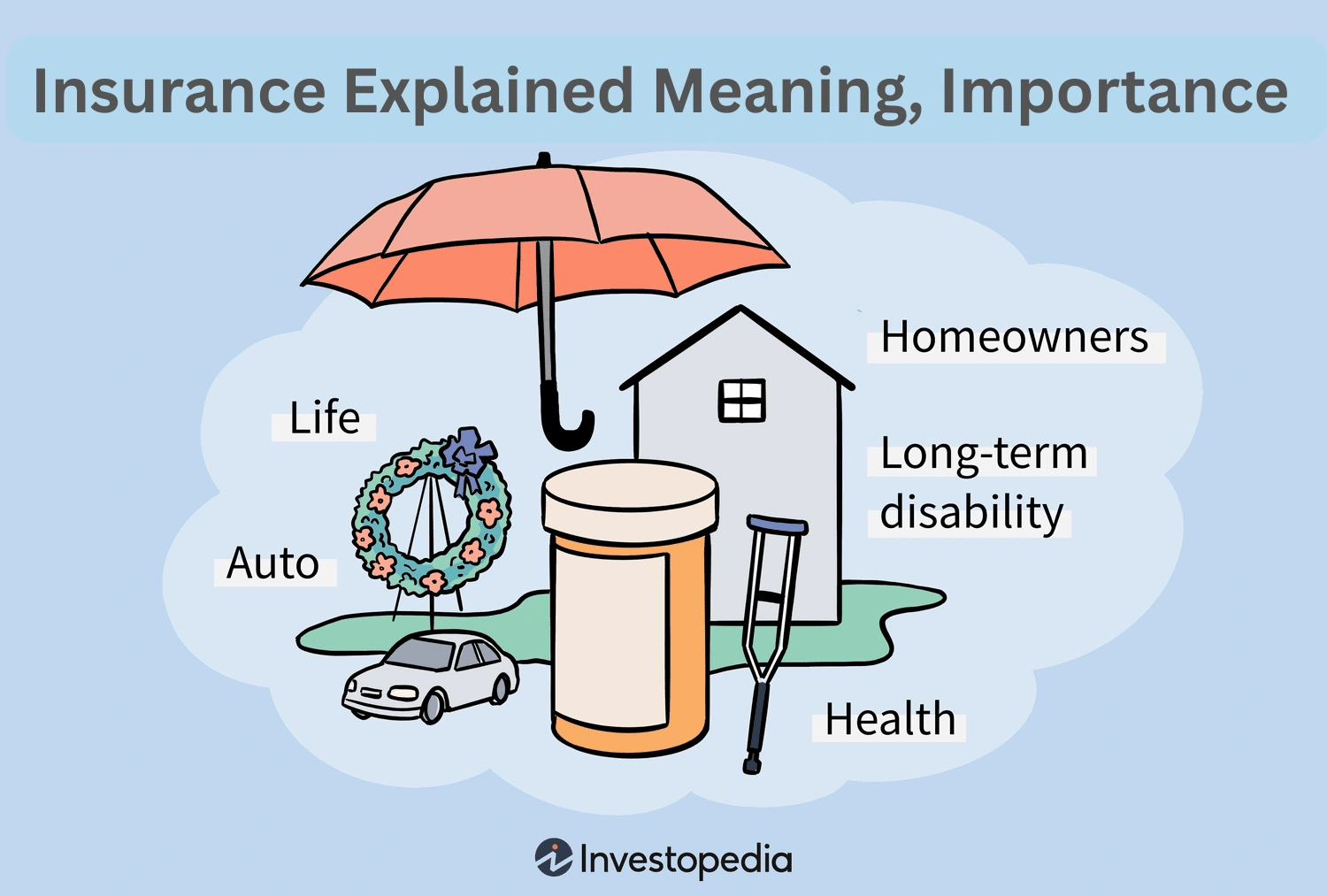
Introduction: Understanding Insurance in Simple Terms
Life is full of uncertainties. Accidents, illnesses, natural disasters, theft, and even sudden loss of income can occur without warning. While we cannot always prevent these events, we can prepare for their financial impact. This is where insurance becomes an essential part of modern life.
Insurance is not just a financial product—it is a promise of protection. It helps individuals, families, and businesses manage risk and recover financially when unexpected events occur. In today’s fast-changing world, insurance plays a critical role in ensuring stability, security, and peace of mind.
This article explains what insurance means, why it is important, and real-life examples of how insurance works, helping you understand why insurance is no longer optional but necessary.
What Is Insurance? (Meaning Explained Clearly)
Insurance is a legal agreement (called a policy) between an individual or organization (the insured) and an insurance company (the insurer). Under this agreement, the insured pays a regular amount called a premium, and in return, the insurer provides financial compensation for specific losses or risks mentioned in the policy.
Simple Definition of Insurance
Insurance is a financial safety net that protects you from major financial losses caused by unexpected events.
Key Elements of Insurance
- Policyholder – The person buying insurance
- Insurer – The insurance company
- Premium – Amount paid regularly for coverage
- Coverage – Risks and losses covered by the policy
- Claim – Request for compensation after a loss
Insurance works on the principle of risk sharing, where many people contribute small amounts to help those who suffer losses.
How Insurance Works: Step-by-Step
- You choose an insurance policy based on your needs
- You pay a premium monthly or annually
- An unexpected event occurs (accident, illness, damage, etc.)
- You file a claim with the insurer
- The insurer verifies the claim
- Compensation is paid as per policy terms
This simple process helps reduce the financial burden during difficult times.
Importance of Insurance in Modern Life
Insurance is one of the pillars of financial planning. It protects individuals from sudden financial shocks and ensures continuity of life goals.
1. Financial Protection Against Uncertainty
Unexpected events can cause huge expenses. Insurance ensures you don’t have to rely solely on savings or loans during emergencies.
2. Peace of Mind
Knowing that you are insured reduces stress and anxiety. You can focus on recovery instead of worrying about money.
3. Protection of Family and Dependents
Life insurance ensures that your family can maintain their lifestyle even in your absence.
4. Encourages Savings and Discipline
Some insurance plans combine protection with savings, helping build long-term wealth.
5. Legal and Social Responsibility
Certain insurances like motor insurance are legally required and protect third parties from losses.
Types of Insurance Explained with Examples
1. Life Insurance
Life insurance provides financial support to your family if you pass away during the policy term.
Example
Ramesh, a 35-year-old professional, buys a life insurance policy worth ₹1 crore. If he dies unexpectedly, his family receives the insured amount, helping them pay loans, education costs, and daily expenses.
2. Health Insurance
Health insurance covers medical expenses such as hospitalization, surgeries, medicines, and treatments.
Example
Anita undergoes emergency surgery costing ₹4 lakhs. Her health insurance policy covers the expense, saving her from using her savings.
3. Motor Insurance
Motor insurance protects vehicle owners from financial loss due to accidents, theft, or damage.
Example
Rahul’s car is damaged in an accident. His comprehensive motor insurance covers repair costs and third-party liabilities.
4. Home Insurance
Home insurance protects your house and belongings from fire, theft, floods, earthquakes, and other disasters.
Example
A flood damages furniture and electronics in Neha’s home. Her home insurance policy compensates her for the loss.
5. Travel Insurance
Travel insurance covers risks during domestic or international travel.
Example
Amit’s flight is canceled due to bad weather. His travel insurance reimburses hotel and rebooking costs.
6. Disability Insurance
Disability insurance provides income replacement if you become unable to work due to injury or illness.
Example
A factory worker suffers a serious injury and cannot work for months. Disability insurance helps cover his living expenses.
7. Business Insurance
Business insurance protects companies from losses due to property damage, lawsuits, or employee-related risks.
Example
A fire damages a small shop. Business insurance helps the owner restart operations without heavy financial stress.
Why Insurance Is Essential in 2025 and Beyond
Rising Healthcare Costs
Medical inflation makes health insurance a necessity rather than a choice.
Increasing Natural Disasters
Climate change has increased floods, storms, and earthquakes, making property insurance vital.
Job and Income Uncertainty
Disability and income protection insurance safeguard earning capacity.
Growing Financial Responsibilities
Loans, EMIs, education costs, and family dependence increase the need for insurance coverage.
Insurance vs Savings: Understanding the Difference
| Aspect | Insurance | Savings |
|---|---|---|
| Purpose | Risk protection | Wealth accumulation |
| Use | Emergencies | Planned expenses |
| Risk Coverage | Yes | No |
| Immediate Support | Yes | Limited |
Insurance complements savings but cannot replace it.
Common Insurance Myths
Myth 1: Insurance Is a Waste of Money
Reality: Insurance protects against losses that savings alone cannot cover.
Myth 2: Young People Don’t Need Insurance
Reality: Buying early means lower premiums and better coverage.
Myth 3: Employer Insurance Is Enough
Reality: Employer plans may not provide sufficient coverage.
How to Choose the Right Insurance Policy
1. Assess Your Needs
Consider age, income, dependents, lifestyle, and liabilities.
2. Compare Policies
Check coverage, exclusions, premiums, and benefits.
3. Check Insurer Reputation
Look at claim settlement ratios and customer reviews.
4. Read Policy Documents Carefully
Understand terms and conditions before purchasing.
Role of Insurance in Financial Planning
Insurance acts as a strong foundation for financial planning. It ensures that your long-term goals—like buying a house, funding education, or retirement—are not derailed by unexpected events.
Without insurance, one crisis can undo years of hard work.
Future of Insurance: Digital and Personalized
The insurance industry is evolving rapidly with technology.
Emerging Trends
- Online policy purchase
- AI-based claim settlement
- Usage-based insurance
- Customized coverage
These advancements are making insurance more accessible, transparent, and efficient.
Conclusion: Insurance Is Protection, Not an Expense
Insurance is one of the smartest financial decisions you can make. It protects you, your family, and your assets when life takes an unexpected turn. Understanding the meaning, importance, and real-life applications of insurance helps you make informed choices that secure your future.
In today’s world, insurance is not just about covering risks—it is about ensuring stability, dignity, and peace of mind in every stage of life.