
 By Khushi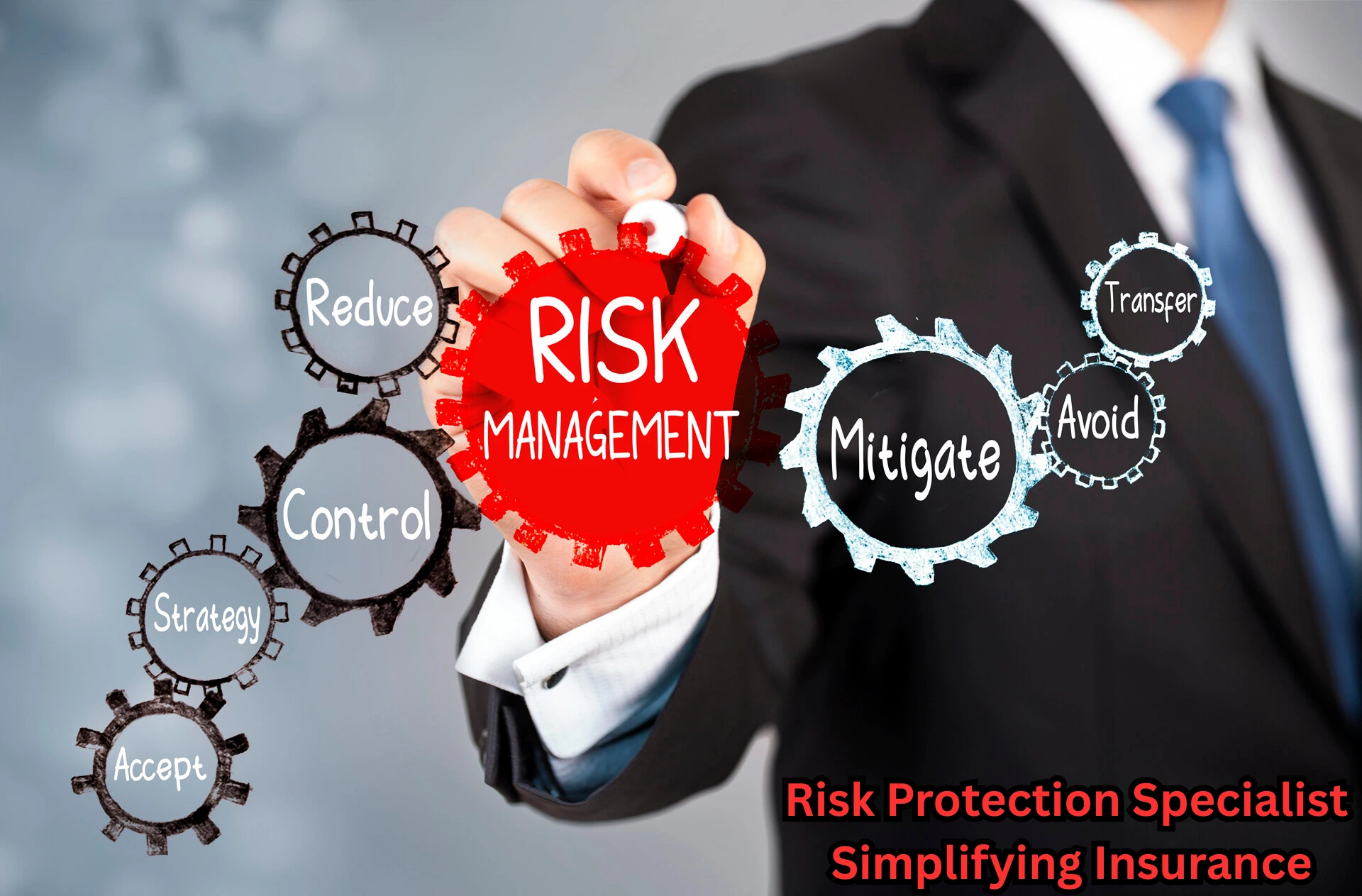
In a world filled with uncertainties, having a reliable support system to safeguard your financial future is more important than ever. This is where the role of a Risk Protection Specialist becomes invaluable. Acting as a bridge between complex insurance products and the everyday individual, a Risk Protection Specialist ensures that people understand their insurance needs clearly and make informed decisions. Insurance can seem intimidating due to its technical language, variety of plans, and long-term implications—but a Risk Protection Specialist simplifies it, making protection accessible for all.
This article explores who a Risk Protection Specialist is, why their role matters, what skills they need, what services they provide, and how they make insurance simple for everyone—from individuals to families to businesses
1. Who Is a Risk Protection Specialist?
A Risk Protection Specialist is an expert who evaluates risks in an individual’s or business’s life and recommends suitable insurance solutions to protect against financial loss. Unlike traditional insurance agents who mainly focus on selling policies, a Risk Protection Specialist looks at the broader picture—your lifestyle, your financial vulnerabilities, your goals, and the potential threats to your assets or income.
They analyze various categories of risk, such as:
- Health risks
- Income loss risks
- Family protection risks
- Property and asset risks
- Business continuity risks
- Liability risks
Their job is not just to sell but to guide. They ensure that every insurance decision is aligned with real, practical needs. This makes them educators, strategists, and consultants rolled into one.
2. Why Is a Risk Protection Specialist Important?
Many people buy insurance without fully understanding it. Some are under-insured, while others pay for plans they don’t need. These mistakes can lead to unnecessary expenses or lack of protection during emergencies.
A Risk Protection Specialist helps avoid these issues by:
a) Assessing Real Risk Exposure
They conduct a detailed evaluation to understand what kinds of risks you are likely to face based on age, location, occupation, lifestyle, and financial status.
b) Offering Tailored Solutions
Rather than pushing generic policies, they suggest customized plans that fit your needs and budget.
c) Explaining Complex Policies
A Risk Protection Specialist breaks down technical terms like sum assured, deductibles, premium riders, co-pays, waiting periods, exclusions, and claim settlement ratios into simple language.
d) Making Insurance Affordable
They help customers optimize premiums by choosing the right features, avoiding unnecessary add-ons, and comparing plans across providers.
e) Ensuring Claim Support
During emergencies, policyholders often struggle with claim procedures. A Risk Protection Specialist assists in documentation, communication with insurers, and ensuring faster approval.
This personalized guidance makes insurance far less stressful and much more beneficial.
3. Core Responsibilities of a Risk Protection Specialist
A Risk Protection Specialist handles several tasks that contribute to overall financial safety. Some key responsibilities include:
1. Risk Assessment
They review income, expenses, debts, health records, business operations, and family obligations to identify vulnerabilities.
2. Insurance Planning
Based on the assessment, they create a structured protection plan covering life, health, assets, retirement, and liabilities.
3. Market Research
They study the insurance market, staying updated on policy changes, new products, and regulatory guidelines.
4. Client Education
Helping clients understand:
- Why they need insurance
- How different plans work
- Which coverage is essential
- What to avoid in a policy
This builds trust and transparency.
5. Portfolio Optimization
They review existing insurance plans and suggest modifications to improve protection, reduce premium burden, or upgrade policy benefits.
6. Claims Assistance
From filling forms to submitting evidence, they guide clients throughout the claim process.
These responsibilities ensure a seamless experience for the insured at every step.
4. Skills Required to Be a Successful Risk Protection Specialist
A Risk Protection Specialist needs a combination of soft skills, analytical intelligence, and industry knowledge. Some essential skills include:
1. Communication Skills
They must explain complex information in simple, easy-to-understand terms.
2. Analytical Thinking
Understanding trends, identifying risks, and evaluating policies require strong analytical abilities.
3. Empathy and Listening
Every client’s situation is unique. Empathy helps professionals understand personal concerns and build strong relationships.
4. Financial Knowledge
Insurance is closely linked to financial planning, so understanding tax laws, savings strategies, and investment basics is critical.
5. Problem-Solving
Insurance issues vary widely. A Risk Protection Specialist must be able to find quick and effective solutions.
6. Negotiation Skills
Negotiating better terms, premiums, and claim settlements is an important part of the job.
These skills enable specialists to deliver exceptional service and simplify insurance complexities.
5. How a Risk Protection Specialist Simplifies Insurance
Insurance is a crucial part of financial planning, yet many people avoid it because they feel overwhelmed. A Risk Protection Specialist removes the confusion through the following methods:
1. Breaking Down Technical Language
Insurance documents are full of jargon. Specialists translate these into simple words so buyers know exactly what they are signing up for.
2. Personalized Consultations
Instead of offering the same plan to everyone, they conduct one-on-one consultations to understand specific needs.
3. Transparent Comparisons
They compare plans from different insurers, showing:
- Coverage differences
- Exclusions
- Claim performance
- Cost analysis
This ensures customers get the best option.
4. Choosing the Right Coverage Amount
Under-insurance is common. Specialists calculate the right coverage using tools like:
- Human Life Value (HLV)
- Income Replacement Method
- Expense-Based Method
This ensures families are financially secure.
5. Preventing Misbuying
Many people buy policies influenced by emotion, peer pressure, or misleading marketing. Specialists prevent such mistakes by offering factual guidance.
6. Claim Support
Clarity during claim filing reduces stress and ensures smoother processing.
Through these steps, they make insurance less confusing and more approachable.
6. Benefits of Working With a Risk Protection Specialist
Choosing to work with a Risk Protection Specialist brings long-term advantages:
1. Peace of Mind
Knowing that experts handle your risk planning removes financial worries.
2. Time Savings
Insurance research is time-consuming. Specialists handle this efficiently.
3. Cost Efficiency
They ensure you don’t overpay for unnecessary coverage.
4. Proper Risk Management
Your financial plan is more stable and secure.
5. Long-Term Relationship
They offer ongoing support with policy servicing, renewals, and claims.
These benefits make them a valuable part of financial and life planning.
7. The Role of Technology in Risk Protection
Modern Risk Protection Specialists use technology to enhance accuracy and convenience:
- AI-based risk calculators
- Digital policy comparison tools
- Secure online consultations
- Automated reminders for renewals
- Data analytics for risk forecasting
Technology helps them deliver faster, more efficient services.
8. Risk Protection for Individuals, Families & Businesses
A Risk Protection Specialist works with three main segments:
a) Individuals
Covering needs like life insurance, medical emergencies, disability protection, and retirement planning.
b) Families
Ensuring financial security for dependents, covering education needs, and protecting assets.
c) Businesses
Helping with employee benefits, liability insurance, property coverage, and business continuity planning.
Each segment requires a customized approach, and specialists help bridge the gap effectively.
9. How to Choose the Right Risk Protection Specialist
When selecting someone to guide you, look for:
- Certifications and experience
- Transparent communication
- Good reputation and reviews
- Knowledge of multiple insurers
- Commitment to client-first service
A trustworthy specialist can significantly improve your financial protection journey.
Conclusion
Insurance is not just a policy—it is peace of mind, security, and financial stability. A Risk Protection Specialist plays a pivotal role in simplifying this protective shield for everyone. By focusing on education, personalized planning, transparency, and support, they make insurance easy to understand and accessible to people from all walks of life.
In a world full of uncertainties, having the right protection matters. And having someone who understands your needs and guides you with clarity makes all the difference. That is the true value of a Risk Protection Specialist—making insurance simple, reliable, and beneficial for everyone.