
 By Khushi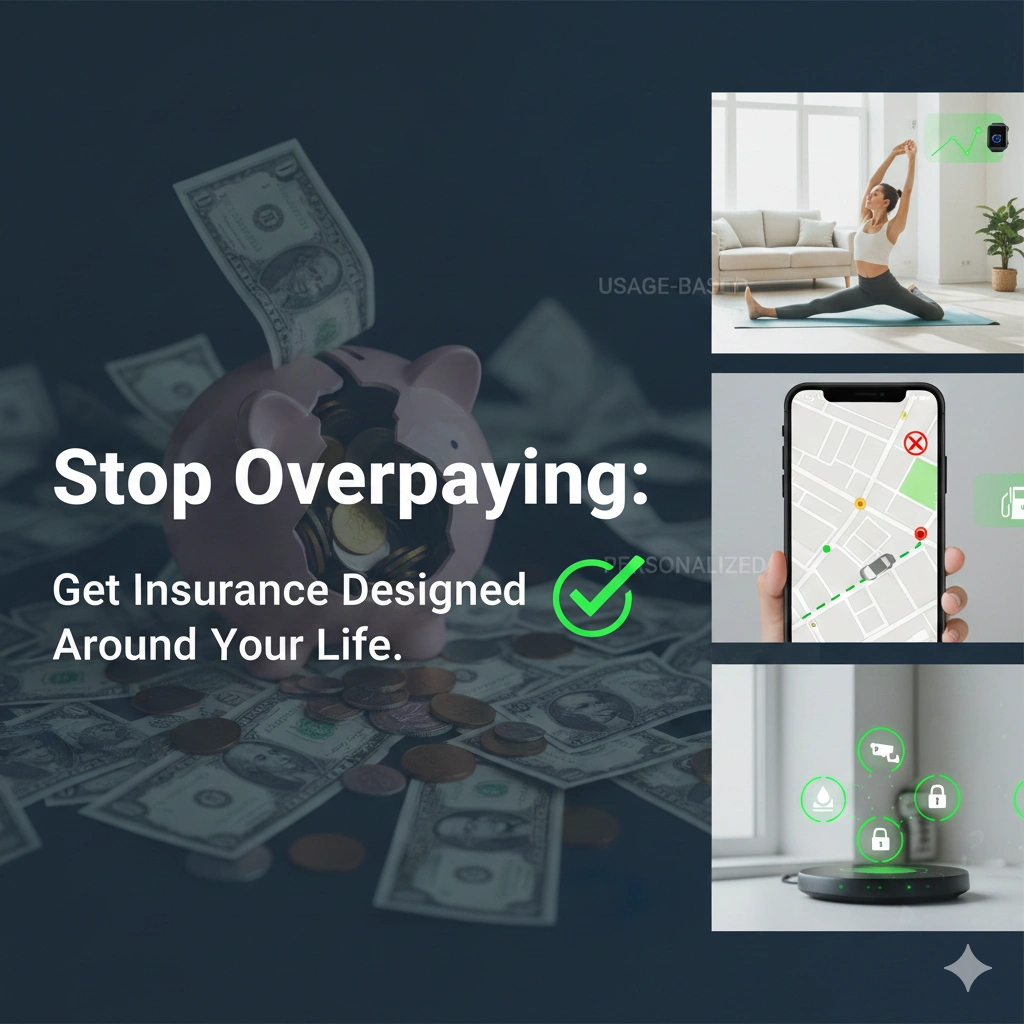
For years, insurance has been sold as a standardized product—something you buy once, file away, and hope you never need. Unfortunately, this outdated model often leads to one costly problem: overpaying for coverage that doesn’t actually fit your life. Many people unknowingly spend thousands on unnecessary benefits while remaining underprotected where it truly matters.
Life today is dynamic. Careers shift, families evolve, health needs change, and lifestyles differ dramatically from person to person. Yet insurance policies often fail to keep up. The good news is that insurance no longer has to be rigid or overpriced. A new approach—insurance designed around your life—is changing the way people protect themselves financially.
This article explains why people overpay for insurance, how personalized coverage works, and how you can stop wasting money while gaining smarter, more relevant protection.
Why Most People Overpay for Insurance
Overpaying for insurance doesn’t always mean high premiums. It often means paying for coverage that doesn’t match your actual risks.
Common Reasons for Overpayment
- Buying bundled policies with unnecessary features
- Not updating coverage after life changes
- Employer insurance that doesn’t fit personal needs
- Fear-based buying instead of risk-based planning
- Lack of understanding about policy exclusions and riders
Standard insurance plans are designed for averages—not individuals. When your life doesn’t fit the average, you pay the price.
The One-Size-Fits-All Problem in Insurance
Traditional insurance products group people by broad categories such as age or income. While this simplifies sales, it ignores important details like lifestyle, health habits, family structure, and profession.
This results in:
- Young individuals paying for maternity or senior benefits
- Healthy people subsidizing high-risk groups
- Families underinsured despite high premiums
- Seniors excluded or charged excessively
Insurance designed around your life replaces assumptions with personalization.
What Does Insurance Designed Around Your Life Mean?
Insurance designed around your life focuses on your personal risk profile, not generic templates.
Key Features
- Coverage based on your age, lifestyle, and responsibilities
- Flexible add-ons instead of forced bundles
- Adjustable premiums and coverage limits
- Easy upgrades as life evolves
The goal is simple: pay only for what you actually need.
Understanding Your Personal Insurance Needs
To stop overpaying, you must understand what risks apply to you.
Key Questions to Ask
- Who depends on my income?
- What assets do I need to protect?
- What health risks do I realistically face?
- How stable is my income?
- What life changes are coming next?
Personalized insurance starts with honest self-assessment.
Insurance Designed for Every Life Stage
Insurance for Students and Young Adults
Young individuals often skip insurance or buy the cheapest plan available—both mistakes.
What they actually need:
- Basic health insurance
- Accident and emergency coverage
- Travel insurance for studies or work
Removing unnecessary features keeps premiums low while maintaining essential protection.
Insurance for Early-Career Professionals
As income grows, so do responsibilities.
Smart coverage includes:
- Independent health insurance beyond employer plans
- Term life insurance at lower premiums
- Income protection or disability coverage
Customized plans ensure affordability and long-term savings.
Insurance for Families
Families are among the most overinsured and underprotected groups.
Where overpayment happens:
- Excessive riders
- Inadequate life cover despite high premiums
- Poorly structured health policies
Smart family coverage includes:
- Family floater health insurance
- High-value term life insurance
- Child education and income protection riders
Designing coverage around family needs reduces waste.
Insurance for Mid-Career Professionals
This stage demands balance—protecting assets while controlling costs.
Right-sized coverage includes:
- Health insurance with top-up plans
- Review and adjustment of life cover
- Critical illness riders where necessary
Regular reviews prevent unnecessary premium hikes.
Insurance for Seniors and Retirees
Many seniors overpay due to limited options and lack of awareness.
Smarter alternatives include:
- Senior health plans covering pre-existing conditions
- Long-term care insurance
- Pension-linked annuities
Personalized solutions ensure dignity without financial strain.
Lifestyle-Based Insurance: Pay for How You Live
Lifestyle plays a huge role in risk exposure.
Examples of Lifestyle-Based Savings
- Fitness-linked health insurance discounts
- Usage-based motor insurance
- Travel insurance only when needed
- Freelancer-friendly income protection
Your behavior should lower your premiums—not raise them.
Health Insurance: The Biggest Area of Overpayment
Health insurance is the most common source of wasted money.
How People Overpay
- Buying excessive coverage limits
- Paying for riders they never use
- Ignoring deductibles and co-payments
How to Save
- Choose coverage based on real healthcare costs
- Add only relevant riders
- Use top-up plans instead of expensive base policies
Customized health insurance can reduce premiums significantly.
Life Insurance: Stop Guessing Coverage Amounts
Many people either buy too little life insurance or far more than needed.
Smart Life Insurance Design
- Coverage based on income replacement
- Policy term aligned with liabilities
- Optional riders instead of bundled add-ons
This ensures meaningful protection without excess cost.
Technology Is Making Insurance Cheaper and Smarter
Digital innovation is eliminating inefficiencies that drive up premiums.
Key Innovations
- AI-based risk assessment
- Digital policy customization
- Faster and fairer claims
- Real-time coverage adjustments
Technology allows insurers to price risk accurately—benefiting customers.
How to Stop Overpaying for Insurance Today
- Review all existing policies
- Identify unused or irrelevant benefits
- Compare modular and personalized plans
- Adjust coverage after major life changes
- Seek professional advice if needed
Regular reviews can save thousands over time.
Common Mistakes That Lead to Overpayment
- Buying insurance only for tax savings
- Choosing the cheapest policy without understanding coverage
- Ignoring exclusions and sub-limits
- Never reviewing policies
Smart insurance decisions require awareness, not assumptions.
The Future: Insurance Built Around Individuals
Insurance is shifting from product-centric to people-centric.
Future Trends
- Dynamic premiums based on lifestyle
- Preventive and wellness-linked coverage
- On-demand micro-insurance
- Fully personalized digital policies
Overpayment will become a thing of the past.
Conclusion
Overpaying for insurance is not inevitable—it’s the result of outdated thinking. Standard policies ignore personal realities, forcing people to pay more for less relevance. Insurance designed around your life changes this equation by aligning coverage with actual risks, responsibilities, and priorities.
When insurance reflects who you are and how you live, you stop wasting money and start building real financial security. The smartest insurance isn’t the cheapest or the most expensive—it’s the one that fits your life perfectly.