
 By Khushi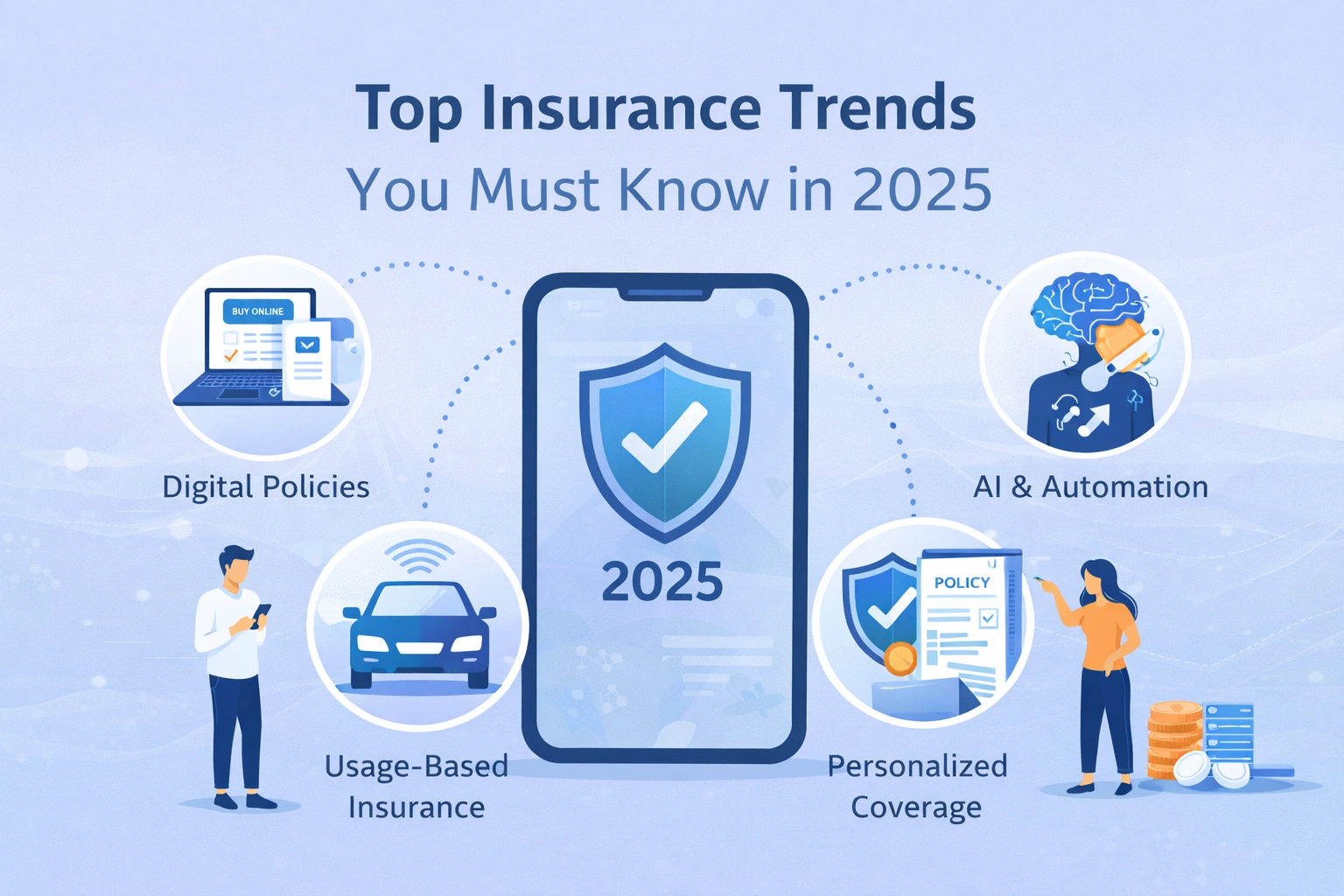
The insurance industry is undergoing one of the most significant transformations in its history. In 2025, insurance is no longer just about protection—it is about personalization, technology, speed, sustainability, and customer experience. Rapid digital adoption, evolving consumer behavior, climate challenges, and economic uncertainty have reshaped how insurance products are designed, sold, and managed.
For individuals, families, and businesses, staying informed about these trends is essential. Understanding where insurance is heading helps you make smarter coverage decisions, avoid outdated policies, and benefit from innovative solutions that offer better protection at lower costs. This article explores the top insurance trends you must know in 2025 and how they impact your financial future.
The Insurance Industry in 2025: A New Era
Insurance in 2025 looks very different from the past. Traditional paper-heavy processes are being replaced by digital platforms, artificial intelligence, and real-time data. Customers expect faster service, transparent pricing, and policies tailored to their unique needs.
Key Drivers of Change
- Technological innovation
- Rising healthcare and repair costs
- Climate change and disaster risks
- Digital-first consumer expectations
- Regulatory evolution
These drivers have pushed insurers to innovate rapidly.
1. Hyper-Personalized Insurance Policies
One of the biggest insurance trends in 2025 is personalization. Generic, one-size-fits-all policies are being replaced by customized coverage.
How Personalization Works
- Data-driven risk assessment
- Usage-based pricing
- Lifestyle and behavior analysis
- Customized add-ons
Customers now pay for what they actually need, making insurance more relevant and cost-effective.
2. Usage-Based and Pay-As-You-Go Insurance
Usage-based insurance (UBI) has gained massive popularity in 2025.
Examples
- Pay-per-mile motor insurance
- Usage-based health plans
- On-demand travel insurance
Benefits
- Lower premiums
- Fair pricing
- Greater transparency
This model is especially popular among young professionals and gig workers.
3. Artificial Intelligence (AI) in Insurance
AI is revolutionizing every stage of the insurance lifecycle.
Key Applications
- Instant policy approvals
- AI-powered chatbots
- Fraud detection
- Predictive risk analysis
- Faster claims processing
In 2025, AI-driven insurance significantly reduces human error and processing time.
4. Digital-First and Paperless Insurance
Paper-based insurance processes are becoming obsolete.
What Digital Insurance Offers
- Online policy purchase
- Paperless documentation
- Mobile app-based claims
- Real-time policy tracking
Digital-first insurers provide faster service and better user experience.
5. Embedded Insurance
Embedded insurance integrates coverage directly into the purchase of products or services.
Examples
- Travel insurance with flight bookings
- Gadget insurance with electronics
- Ride insurance with mobility apps
This trend makes insurance seamless, convenient, and instant.
6. Rise of Health and Wellness-Based Insurance
Health insurance in 2025 goes beyond hospitalization.
Wellness-Focused Features
- Preventive care benefits
- Fitness rewards
- Mental health coverage
- Telemedicine services
Insurers now reward healthy lifestyles with lower premiums and added benefits.
7. Mental Health Coverage Expansion
Mental health has become a major focus area.
Why This Trend Matters
- Rising stress and burnout
- Increased awareness
- Workplace mental health initiatives
Insurance policies in 2025 increasingly cover therapy, counseling, and wellness programs.
8. Climate Risk and Green Insurance
Climate change has significantly impacted insurance models.
Green Insurance Trends
- Climate risk coverage
- Renewable energy insurance
- Sustainable building coverage
- Disaster-resilient policies
Insurers are also adopting eco-friendly practices to reduce environmental impact.
9. Cyber Insurance Becomes Mainstream
As digital dependency grows, cyber risks have surged.
What Cyber Insurance Covers
- Data breaches
- Identity theft
- Ransomware attacks
- Business interruption
In 2025, cyber insurance is essential for businesses and increasingly relevant for individuals.
10. Faster and Automated Claims Settlement
Customers demand quick claims—and insurers are delivering.
Innovations in Claims
- AI-based claim approval
- Automated damage assessment
- Instant payouts
Faster claims improve trust and customer satisfaction.
11. Microinsurance for Greater Accessibility
Microinsurance provides affordable coverage for low-income and underserved populations.
Key Features
- Low premiums
- Simple coverage
- Mobile-based access
In 2025, microinsurance plays a key role in financial inclusion.
12. On-Demand Insurance
On-demand insurance allows users to activate coverage only when needed.
Examples
- Short-term travel insurance
- Temporary gadget coverage
- Event-based coverage
This flexible model reduces unnecessary costs.
13. Blockchain for Transparency and Security
Blockchain technology is improving trust in insurance.
Benefits of Blockchain
- Secure data storage
- Transparent transactions
- Fraud reduction
- Smart contracts
Blockchain ensures accuracy and accountability across insurance processes.
14. Focus on Customer Experience (CX)
Insurance companies are prioritizing customer-centric design.
CX Improvements
- Simplified policy language
- User-friendly apps
- 24/7 support
- Personalized communication
Better experience leads to higher customer loyalty.
15. Insurance for the Gig Economy
The gig economy continues to grow in 2025.
Insurance Solutions for Gig Workers
- Flexible health plans
- Income protection
- Short-term coverage
Insurers are designing policies specifically for freelancers and independent workers.
16. Regulatory Technology (RegTech)
RegTech helps insurers comply with evolving regulations efficiently.
Why It Matters
- Faster compliance
- Reduced operational risk
- Better transparency
This trend strengthens consumer trust.
17. Data Privacy and Security Focus
With increased data usage comes responsibility.
Insurance Industry Response
- Stronger data protection measures
- Compliance with privacy laws
- Transparent data usage policies
Data security is a top priority in 2025.
18. Integration of Insurance with Financial Planning
Insurance is now integrated into holistic financial planning.
Why This Trend Is Growing
- Better risk management
- Aligned long-term goals
- Comprehensive financial security
Insurance is no longer separate—it’s central to financial health.
19. AI-Powered Risk Prediction
Advanced analytics help insurers predict risks before they occur.
Benefits
- Proactive risk management
- Customized prevention strategies
- Reduced claim frequency
This shift focuses on prevention rather than just compensation.
20. Subscription-Based Insurance Models
Subscription insurance offers predictable pricing and flexibility.
Advantages
- Monthly payments
- Easy upgrades
- Transparent costs
This model aligns with modern consumer preferences.
How These Trends Impact Policyholders
For customers, these trends mean:
- Better pricing
- Faster service
- Personalized coverage
- Greater transparency
- Improved protection
Understanding trends helps you choose smarter insurance solutions.
How to Prepare for Insurance in 2025
Smart Tips
- Review existing policies
- Embrace digital platforms
- Opt for personalized coverage
- Focus on claim efficiency
- Stay updated on new offerings
Being proactive ensures maximum benefit.
The Future of Insurance Beyond 2025
Insurance will continue evolving with technology and consumer needs.
What to Expect
- Fully digital ecosystems
- Real-time risk prevention
- AI-driven customer service
- Sustainable insurance models
The future of insurance is intelligent, inclusive, and customer-focused.
Conclusion
The insurance industry in 2025 is smarter, faster, and more customer-centric than ever before. From personalized policies and AI-powered claims to cyber protection and green insurance, these trends are redefining how protection works.
Staying informed about insurance trends is no longer optional—it’s essential. By understanding and embracing these changes, you can secure better coverage, reduce costs, and protect your future more effectively. Insurance in 2025 is not just about managing risk—it’s about empowering smarter, safer living.